Quick Summary
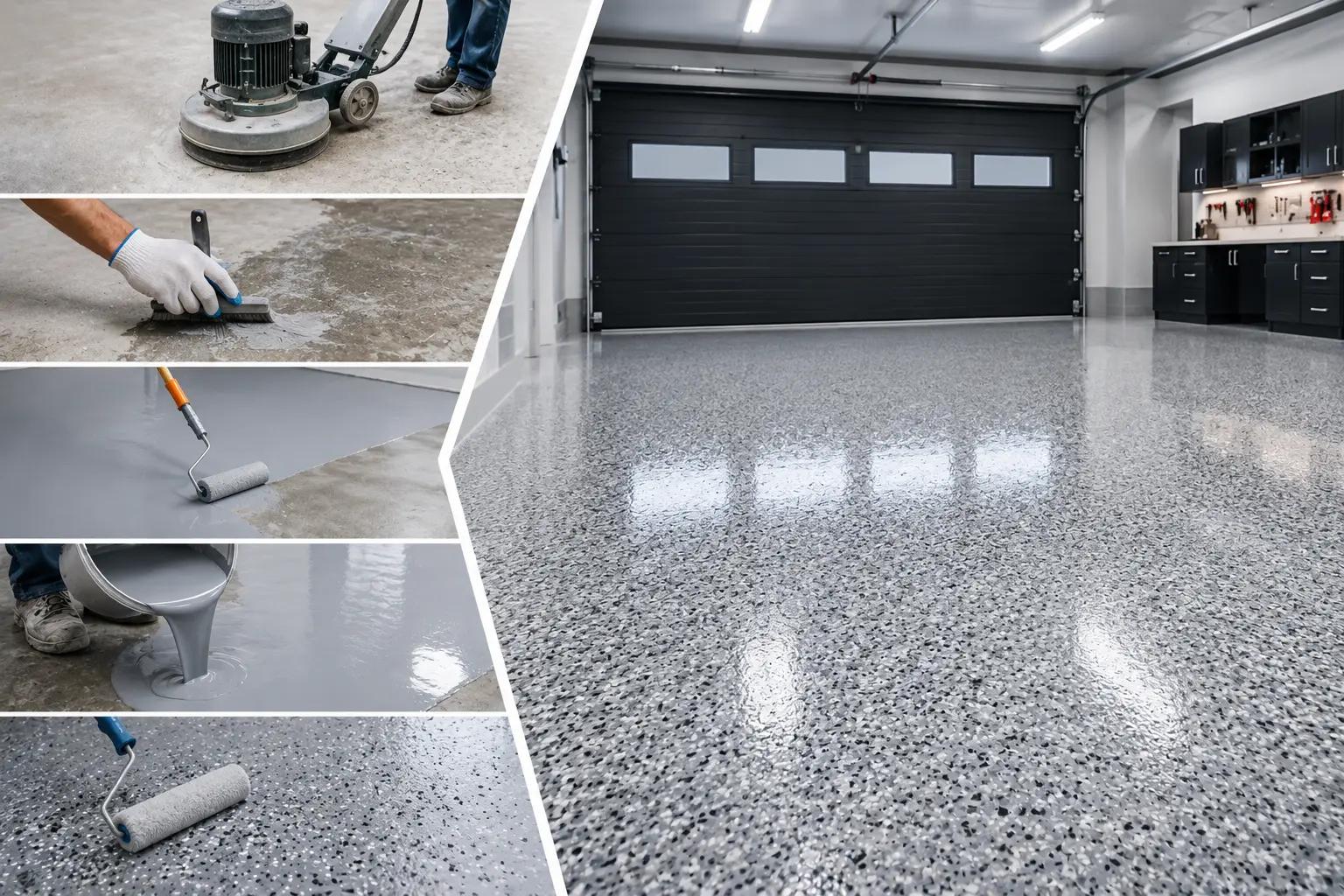
This guide compares ten Christchurch concrete polishing companies by the work they may suit, the preparation they offer and the finish choices worth checking. Concrete Sealing and Grinding NZ is the featured local option, covering grinding, repairs, polishing and sealing. Use the table to shortlist providers, then compare exposure level, sheen, slab repairs, timeline, aftercare and total written price.
A polished floor can look very different depending on how much aggregate is exposed and whether the final sheen is satin or gloss. Decide the look you want, but stay open to advice because the slab condition may limit the result.
How to Choose the Right Provider
Share the floor size, photos, plans and intended use with every provider. Ask how the slab will be tested, what grinding and repair work is needed, which polishing system will be used, and who completes each stage.
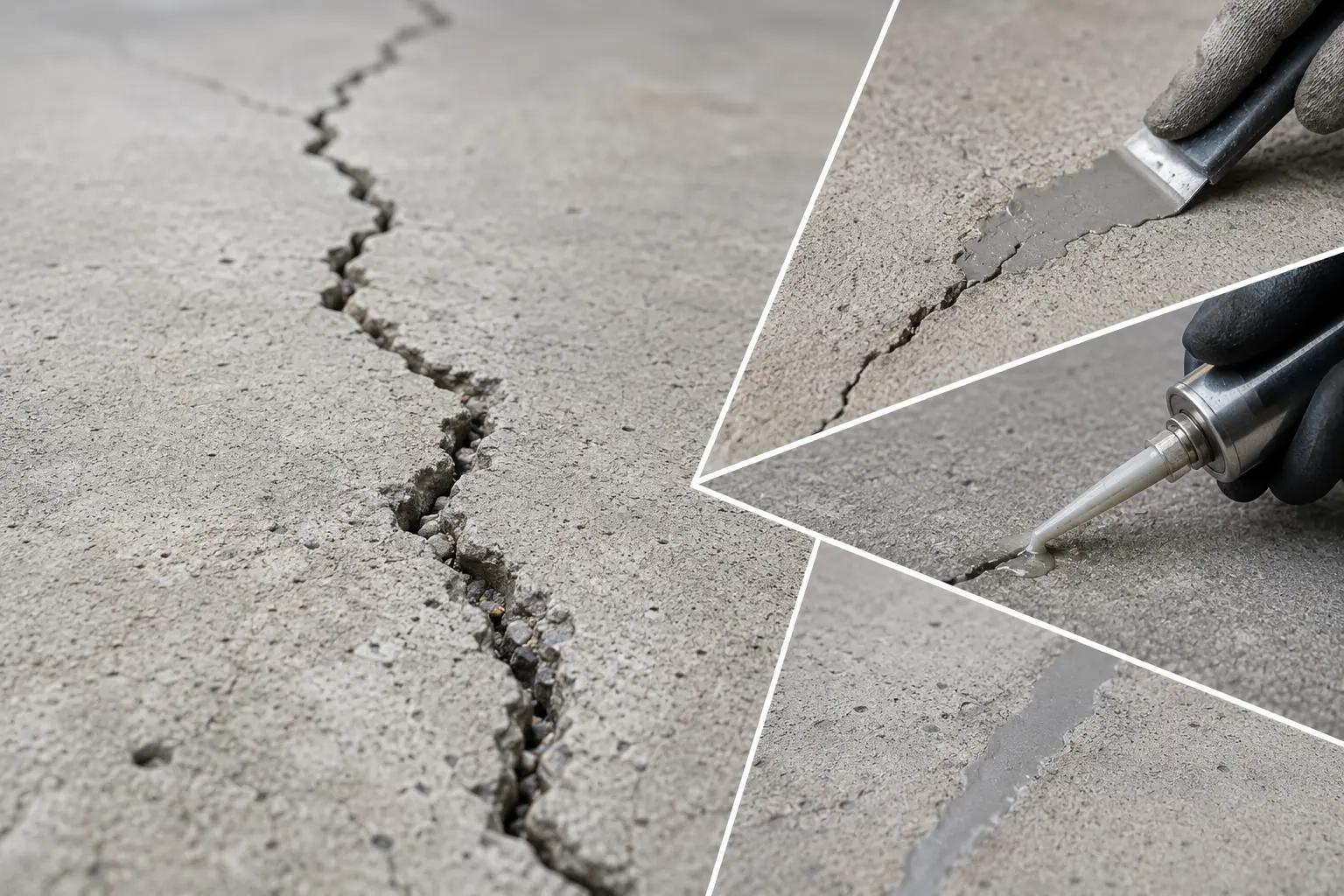
These medium-sized cracks need a bit more effort. First, prep the area by chiselling it into a shape that is slightly wider at the bottom than the top, yes, it sounds backwards, but this actually helps the filler grip better. Like making a jam sandwich with deeper grooves so the jam does not escape!
After chiselling, clean out any debris again. You want your filler to bond like best friends, and that means no muck in the way. Then use a flexible sealant; this is key. As your concrete naturally shifts over time (expanding in heat, contracting in cold), a rigid filler would crack all over again. Flexible sealant acts like yoga for your pavement, stretchy and calm under pressure. Once filled, smooth it out and let it cure according to the product's instructions. Boom; one step closer to a crack-free concrete jungle.
Deep Dive: Crack Injections to the Rescue
Alright, now we are entering superhero mode. These are the long, deep, structural cracks in concrete that can affect foundations and walls. These are not just cosmetic cracks; they are the kind that make your house whisper, "Erm, we need to talk…"
For serious structural issues, we bring in the big guns: concrete crack injections. These are not your average fillers; they are more like medical injections for your concrete's bones. Using epoxy or polyurethane, these injections are designed to seal deep cracks from the inside out. Picture this: your concrete wall has a deep wound. Rather than just slap a plaster on top, you want to stitch it from within. Crack injections do just that.
First, injection ports are placed along the crack; these are small nozzles that will allow the sealing material to be pumped in. Then the surface is sealed with a temporary epoxy to keep everything tidy and contained.
Once prepped, epoxy or polyurethane is injected through the ports. Epoxy is super strong and perfect for structural fixes; it is like rebar in liquid form. Polyurethane, on the other hand, is great for waterproofing and sealing, like bubble wrap with brains.
The liquid works its way deep into the crack, filling it from bottom to top. After curing, the result is a rock-solid, sealed-up concrete surface that is stronger than ever. It is not quite superhero serum, but it is pretty close.
Tip: Concrete crack injections can be tricky. If you are not confident with tools or the crack looks like something out of a disaster movie, do not be shy about calling a professional. Some battles are better fought with backup.
A Few Handy Tips for Happy Concrete
Seal the deal: Use a concrete sealer on driveways and patios every few years. It is like giving your concrete a raincoat, protecting it from water, weather, and wear.
Drain the pain: Make sure water drains away from your concrete, not into it. Poor drainage is like giving your concrete soggy socks; nobody enjoys that.
Keep it clean: Regular sweeping and hosing down can prevent debris from sneaking into cracks and causing trouble.
Check twice: Repaired areas need an occasional look, just like you would check how to maintain polished concrete floors, staying ahead before things droop or drain.